Haibara: A Script Font That Elevates Handmade Creations
I was in the middle of preparing a batch of handmade soy candles when I stumbled upon Haibara. It wasn’t just any font—it had a soft, flowing elegance that made me pause. I opened my design software and typed out “Scented Serenity” in Haibara, and suddenly, the label felt like it belonged on something special. That moment sealed it for me: Haibara is more than a script font; it’s a design companion for creators who want their work to stand out.
What Makes Haibara Unique
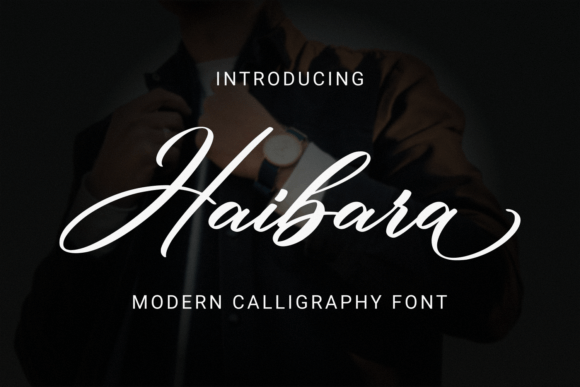
Haibara has this gentle, handwritten charm that feels both personal and professional. The curves are smooth but not overly ornate, and the letterforms have a natural rhythm that makes them easy on the eye. It’s the kind of font that can make a simple label feel like a curated piece of art. Whether you're designing a greeting card or a boutique packaging tag, Haibara brings a sense of warmth and authenticity to your work.
The visual personality of Haibara is warm and inviting. It leans into the organic, almost imperfection of hand-lettering while maintaining a clean, polished look. This balance is what makes it so versatile—it can be used for everything from wedding invitations to digital printables without ever feeling out of place.
Real-World Applications for Handmade Projects
One of the first things I tried with Haibara was creating candle labels. I paired it with a minimalist sans serif font for the price and product details, and the contrast worked beautifully. The elegant script drew attention to the name of the scent, while the clean typeface kept the information clear and readable. It added a touch of sophistication that elevated the whole package.
I also used Haibara for a set of birthday greeting cards. For the main title, I chose Haibara, and for the body text, I switched to a simple serif font. The result was a cohesive design that felt both creative and approachable. Customers loved how it gave each card a personal touch, as if they were receiving something crafted just for them.
Another project where Haibara shone was in creating farmhouse-style signs. I designed a set of seasonal tags for a small shop, using Haibara for the main message and a bold display font for the headline. The combination created a visually appealing layout that stood out on rustic wooden signs.
Design Tips for Using Haibara Effectively
When working with Haibara, it's important to consider the context. Since it's a script font, it works best for short phrases, names, titles, or decorative wording. It may not be ideal for long paragraphs of text, but that’s where pairing it with a complementary font comes in handy.
I often pair Haibara with a clean sans serif font for body text. The contrast helps maintain readability while keeping the overall design visually interesting. If you’re designing for print or digital use, make sure to check the font’s file formats and licensing, especially if you plan to sell physical products or digital downloads.
For cutting machines like Cricut or Silhouette, Haibara performs well when used for stickers or labels. Just be mindful of the size and spacing to ensure that the font remains legible after cutting. Testing a few mockups before finalizing your design can help avoid any surprises later on.
Haibara in Branding and Packaging Design
Using Haibara for branding can create a strong emotional connection with your audience. Its warm, inviting style makes it perfect for businesses that want to convey a sense of craftsmanship and care. I’ve seen it used effectively on boutique packaging, where it adds a touch of elegance that customers notice and appreciate.
On digital platforms, Haibara can be a great choice for social media graphics or website headers. It adds a personal flair that helps your brand stand out in a sea of generic content. When used consistently across all branding materials, Haibara can become a signature element of your creative identity.
Whether you're designing a logo, a product tag, or a printable wall art piece, Haibara brings a level of refinement that can transform your designs. It’s a font that speaks to the heart of handmade creation—unique, thoughtful, and full of character.
Final Thoughts on Haibara
Haibara has become an essential part of my design toolkit. From candle labels to greeting cards, it has helped bring my ideas to life in ways I never imagined. Its versatility, readability, and aesthetic appeal make it a go-to choice for any project that needs a little extra charm.
If you're looking for a script font that feels both elegant and approachable, Haibara is worth exploring. It’s a font that doesn’t just add text to your designs—it adds soul. And for any maker, that’s exactly what you need to create something truly special.